


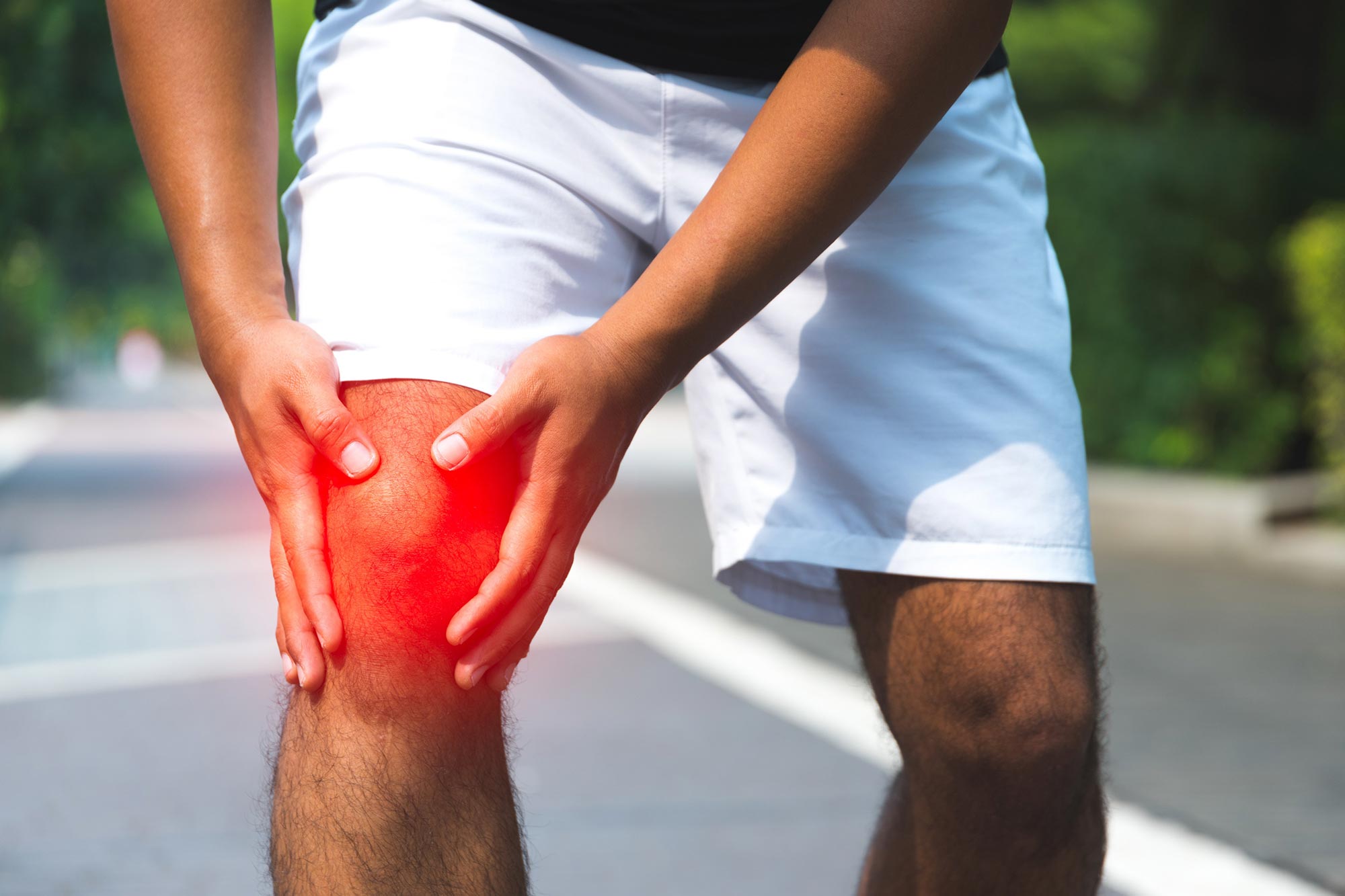
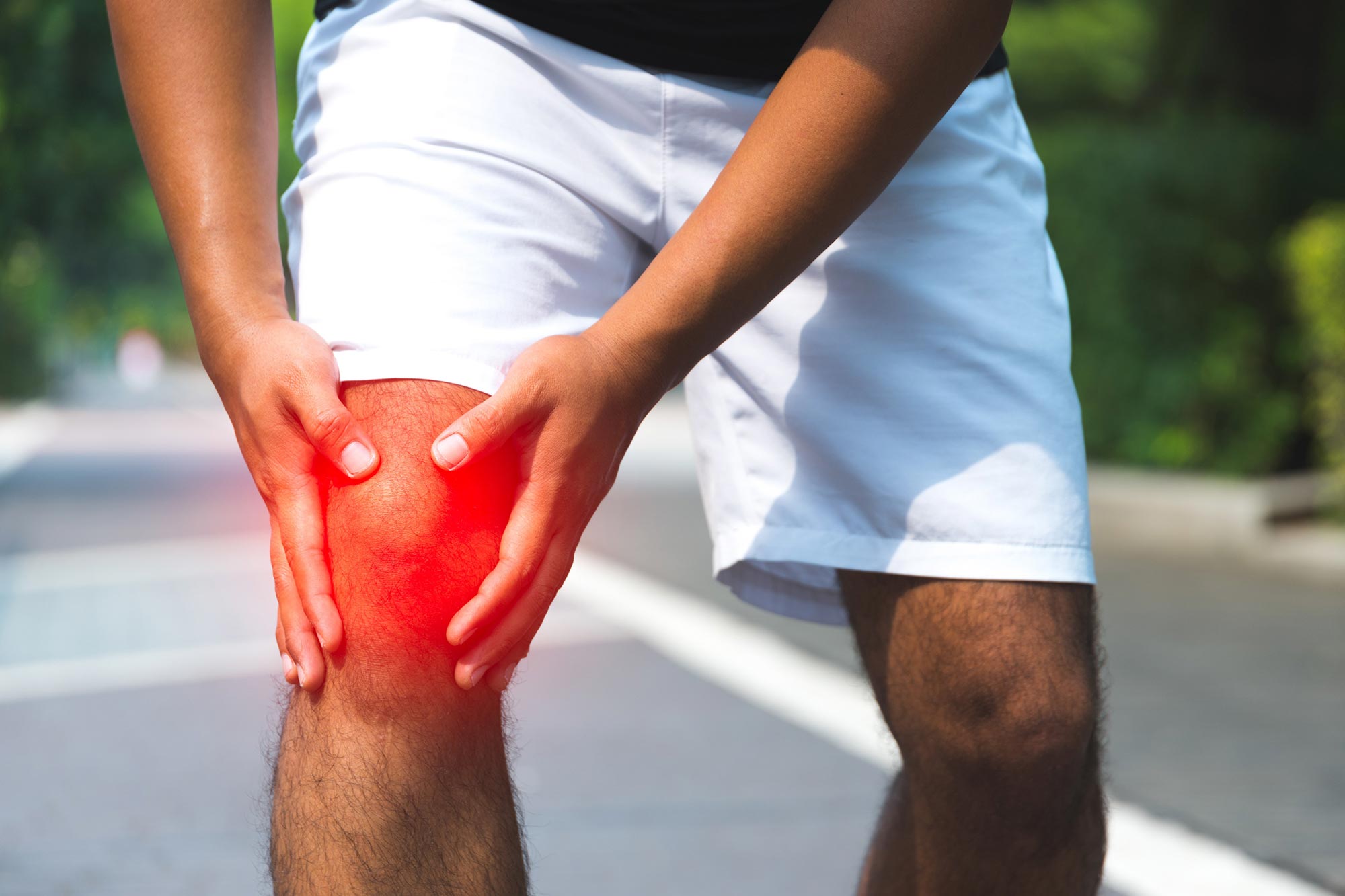
Thick-heeled shoes, heel-strikes were associated with injury.
A recent study from the University of Florida revealed that runners wearing thick-heeled sneakers face a higher risk of injury compared to those wearing flatter shoes.
This large-scale, comprehensive study also found that runners in thick-heeled shoes struggled to accurately sense how their feet landed with each step, which likely contributes to the elevated injury rates. The researchers recommend flatter shoes for most runners, as they are linked to lower injury risks. Flatter shoes enhance ground sensation and help runners develop a more controlled landing technique.
However, the researchers caution that switching to a new shoe type or altering foot strike patterns can also pose injury risks if done too quickly. Lead author Heather Vincent, Ph.D., emphasized the importance of a gradual transition, drawing from her own personal experience.
“I had to teach myself to get out of the big, high-heeled shoes down to something with more moderate cushioning and to work on foot strengthening,” said Vincent, director of the UF Health Sports Performance Center. “It may take up to six months for it to feel natural. It’s a process.”
The Role of Foot Strike Patterns and Shoe Type
Both foot strike patterns and shoe type have been linked to running injuries in past studies, but the interaction between the two has been difficult to identify from small groups of runners. UF Health’s Sports Performance Center and Running Medicine Clinic see hundreds of runners a year. That allowed the researchers to pull from more than 700 runners and six years of information on runners’ shoe type and injury history and objective data about running gait acquired with specialized treadmills and motion capture videos.
What became clear after controlling for factors like age, weight, running volume, and competitiveness was that shoes with thicker heels confused runners about their gait — confusion that was strongly linked to injury.
“The shoe lies between the foot and the ground, and features like a large heel-to-toe drop make it more challenging for runners to identify how they’re striking the ground. That clouds how we retrain people or determine if someone is at risk for future injury,” Vincent said. “The runners who correctly detected mid- or fore-foot striking had very different shoes: lower heel-to-toe drop; lighter; wider toe box.”
Future Research Directions
Heather Vincent collaborated with Ryan Nixon, Ph.D., Kevin Vincent, Ph.D., and others in the UF Colleges of Medicine and Public Health and Health Professions on the study, which was recently published in the journal Frontiers in Sports and Active Living.
Although the associations between high-heeled shoes and injury were clear, it’s difficult to prove that heel-to-toe drop directly causes these injuries. Moving forward, the scientists plan to run controlled studies to see if changing shoe type affects runners’ accuracy of foot strike detection and injury rates. That would help identify the true cause of these common injuries and suggest the best fixes.
“We want to translate what we find to meaningful ways to help runners modify their form to reduce injury risk and keep them healthy for the long term,” Vincent said.
Reference: “Accuracy of self-reported foot strike pattern detection among endurance runners” by Heather K. Vincent, Kyle Coffey, Aiden Villasuso, Kevin R. Vincent, Sharareh Sharififar, Lydia Pezzullo and Ryan M. Nixon, 25 November 2024, Frontiers in Sports and Active Living.
DOI: 10.3389/fspor.2024.1491486










Discussion about this post