


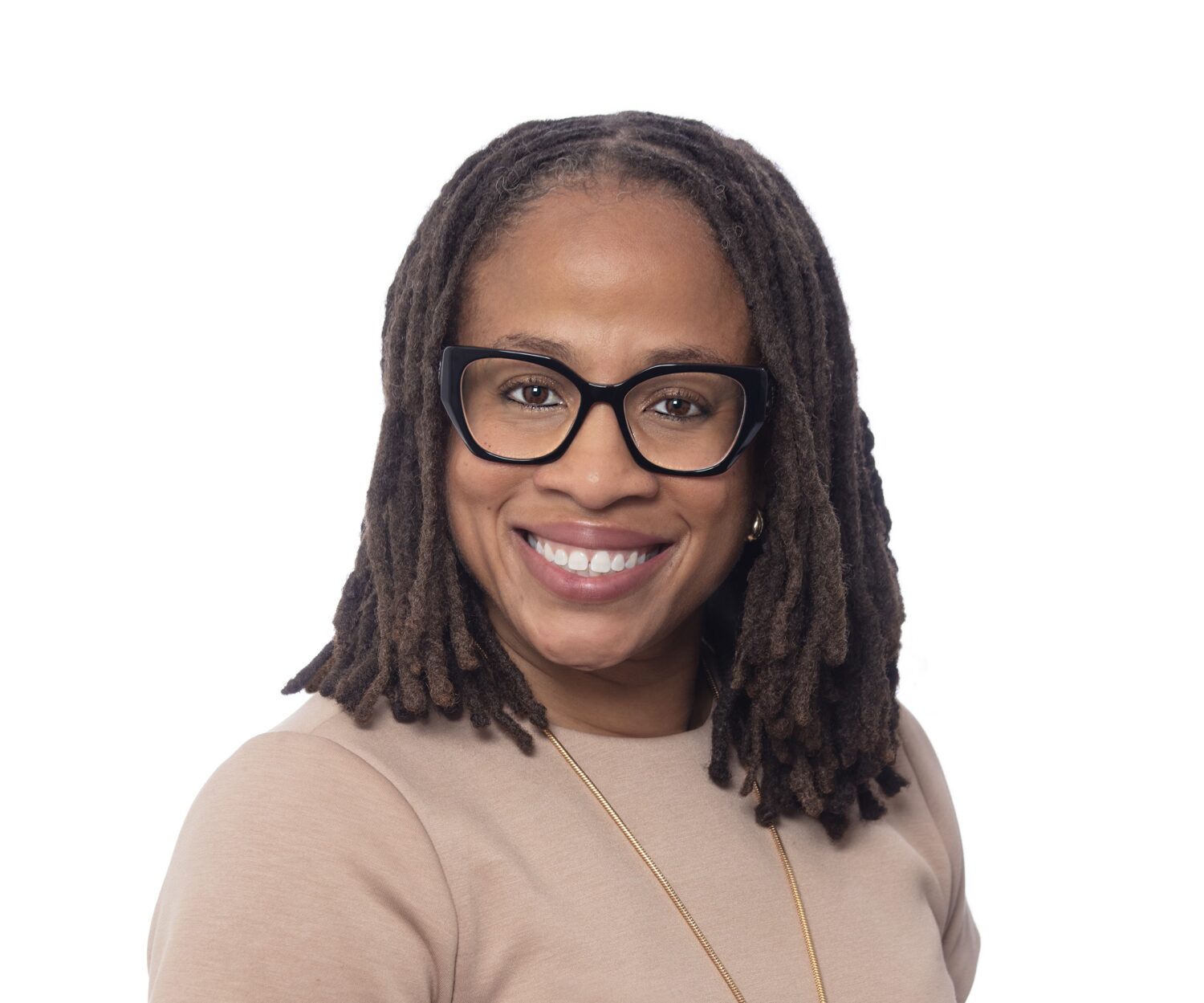
As the daughter of Nigerian immigrants who are both social workers, I observed how dedicated they were to their careers of service. Following in their footsteps, I am privileged to serve patients and families as a physician, and I have also become all too familiar with the undeniable truth about the impact of health inequities on specific populations.
The health care industry has made strides in addressing health inequities – but there is plenty of work to be done. Identifying and closing equity gaps in health outcomes is imperative if the industry wants to achieve its mission to provide excellent care within health systems. A data-driven approach to health equity is critical to the well-being of children, adolescents, and families across the nation. But achieving this takes intention.
Here are a few best practices from nearly two decades in pediatric health.
Create the right infrastructure to understand equity gaps
Data and measurement are foundational for improvement efforts. Healthcare organizations need to understand the patient populations they serve. Health care organizations vary in size, as do the geographic regions and associated patients they serve, making data-driven initiatives even more challenging.
For example, at Stanford Medicine Children’s Health, we are a high-acuity hospital that cares for medically complex patients from around the nation and the globe. Because of this, our patient population reflects individuals with various social identities and backgrounds. In addition to patients from local communities in California, the unique needs of patients from our broader referral base must be considered. This includes patients from remote regions of South America, for example, who have different perspectives, experiences and needs.
Health care teams must be deliberate in approaches to health equity initiatives. The industry must develop an understanding of its current landscape as well as implement frameworks and processes to guide individuals and teams within the healthcare system. Such efforts promote action that leads to change within the organization to maximize impact.
Keep equity at the heart of all technology and innovation decisions
The hard work to create the right infrastructure should be pursued with the goal of optimizing the patient and family experience. Without centering and co-production with patients and families, many processes and decisions made within health care organizations risk being ineffective.
One area where this is relevant is regarding decisions about how to leverage technology within the healthcare system to improve care delivery. Without leveraging technology, the health care industry faces an almost insurmountable battle to deliver high quality care to a growing patient population.
However, technology decisions must be made with all communities in mind. Organizations must ask, how are digital tools being used by specific patient populations? What are the barriers from the patient and family perspective in leveraging technology? What level of digital literacy do patients and families have? What broadband connectivity and infrastructure do families have in their homes or in their communities and how does that impact interoperability or effective use of digital tools? For the provider, how well does the technology support the mission to deliver improved care? Does it solve problems, or create them? Is the tool being used most effectively within the workflow?
Technology is just one example of how being intentional and applying an equity lens ensures the decisions made in health care have the desired impact and outcomes. If organizations do not have the checks and balances in place to pressure-test technology pilots, for example, then the intended result may be more elusive.
Be sure to get the community involved in their health care
To achieve equitable health outcomes, the industry must appreciate that approximately 80 percent of the variation in outcomes is explained by factors outside of medical care – otherwise known as the social drivers of health. Therefore, delivering high quality health care requires true partnership and collaboration with community organizations and community leaders. Collaboration is critical to the ability to address the health-related social needs of patients and families.
Acknowledge and take the time to listen. Health care systems cannot live out their missions if interactions with partners are solely transactional in nature. Equitable care and improved outcomes are derived from authentic and longitudinal relationships with community partners. Institutions must be active members of the communities they serve — and learn how they can become integrated within these larger communities.
Patient and family-centricity is a core pillar in establishing trust between patients, caregivers, and health care organizations. Establishing trust fosters therapeutic relationships and effective communication for the betterment of all. Trust is critical to an equitable and inclusive health care future and requires true partnership with patients and families who represent the diverse population it serves.
Every small step can make a huge difference
When patients and families engage with the members of the health care system, representation and a culture of equity matters. Not everyone has to share the same social identity, but health care systems that understand what comprises equitable care stand a better chance of learning from and building stronger and therapeutic relationships with patients and families.
All of those in health care have the desire to work as a team, make a difference for patients and families, and improve outcomes. If an organization or health care setting reflects those it supports, it eases tension, instills confidence, and goes a long way to making people feel like they matter.
About Dr. Unaka
Dr. Unaka is the inaugural Chief Health Equity Officer (CHEO) for Stanford Medicine Children’s Health (SMCH) and a Clinical Professor in the Department of Pediatrics at Stanford University School of Medicine. Prior to her transition to SMCH in July 2024, Dr. Unaka was a faculty member in the Division of Hospital Medicine at Cincinnati Children’s Hospital. In addition to her clinical role as a pediatric hospitalist, Dr. Unaka served as the Associate Program Director of the Pediatric Residency Program from January 2011 – January 2022. She served as the medical director of a 48-bed inpatient unit primarily for patients admitted to the Hospital Medicine service. In this role, Dr. Unaka was involved in several equity-oriented quality improvement initiatives,which included work to identify and address hunger among caregivers of hospitalized children insured by Medicaid.











Discussion about this post