


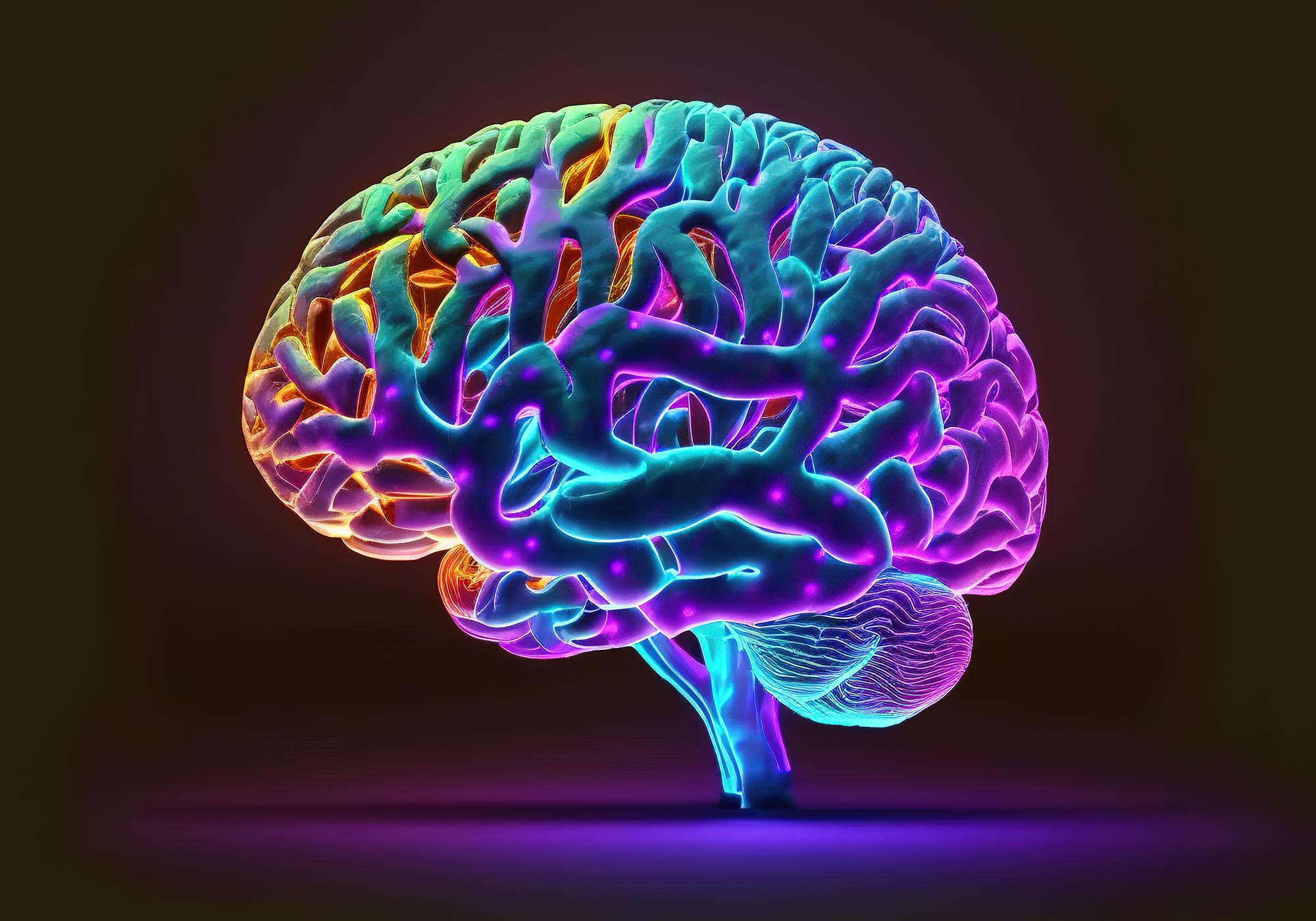
Researchers at Johns Hopkins University have developed a novel hydrogel that has successfully cured 100% of mice with aggressive brain cancer, specifically glioblastoma. The hydrogel combines an anticancer drug and an antibody, and is applied to the brain after the surgical removal of a tumor. This treatment reaches areas that surgery might miss and current drugs struggle to access, killing lingering cancer cells and suppressing tumor growth. The gel also seems to activate an immune response, helping the body fight against glioblastoma without additional medication. While surgery is still essential for this approach, the hydrogel shows promising results and offers new hope for glioblastoma patients.
A novel hydrogel developed by Johns Hopkins University researchers cured 100% of mice with aggressive brain cancer by combining anticancer drugs and antibodies to target lingering cancer cells and trigger an immune response against glioblastoma.
Medication delivered by a novel gel cured 100% of mice with an aggressive brain cancer, a striking result that offers new hope for patients diagnosed with glioblastoma, one of the deadliest and most common brain tumors in humans.
“Despite recent technological advancements, there is a dire need for new treatment strategies,” said Honggang Cui, a Johns Hopkins University chemical and biomolecular engineer who led the research. “We think this hydrogel will be the future and will supplement current treatments for brain cancer.”
Cui’s team combined an anticancer drug and an antibody in a solution that self-assembles into a gel to fill the tiny grooves left after a brain tumor is surgically removed. The gel can reach areas that surgery might miss and current drugs struggle to reach to kill lingering cancer cells and suppress tumor growth. The results are published today in Proceedings of the National Academy of Sciences.
The gel also seems to trigger an immune response that a mouse’s body struggles to activate on its own when fighting glioblastoma. When the researchers rechallenged surviving mice with a new glioblastoma tumor, their immune systems alone beat the cancer without additional medication. The gel appears to not only fend off cancer but help rewire the immune system to discourage recurrence with immunological memory, researchers said.
Still, surgery is essential for this approach, the researchers said. Applying the gel directly in the brain without surgical removal of the tumor resulted in a 50% survival rate.
“The surgery likely alleviates some of that pressure and allows more time for the gel to activate the immune system to fight the cancer cells,” Cui said.
A video clip shows how the liquid substance self-assembles into a gel when injected into a saline solution. Credit: Johns Hopkins University
The gel solution consists of nano-sized filaments made with paclitaxel, an FDA-approved drug for breast, lung, and other cancers. The filaments provide a vehicle to deliver an antibody called aCD47. By blanketing the tumor cavity evenly, the gel releases medication steadily over several weeks, and its active ingredients remain close to the injection site.
By using that specific antibody, the team is trying to overcome one of the toughest hurdles in glioblastoma research. It targets macrophages, a type of cell that sometimes supports immunity but other times protects cancer cells, allowing aggressive tumor growth.
One of the go-to therapies for glioblastoma is a wafer co-developed by a team of researchers at Johns Hopkins and the Massachusetts Institute of Technology in the 1990s, commercially known as Gliadel. It is an FDA-approved, biodegradable polymer that also delivers medication into the brain after surgical tumor removal.
Gliadel showed significant survival rates in laboratory experiments, but the results achieved with the new gel are some of the most impressive the Johns Hopkins team has seen, said Betty Tyler, a co-author and associate professor of neurosurgery at the Johns Hopkins School of Medicine who played a pivotal role in the development of Gliadel.
“We don’t usually see 100% survival in mouse models of this disease,” Tyler said. “Thinking that there is potential for this new hydrogel combination to change that survival curve for glioblastoma patients is very exciting.”
The new gel offers hope for future glioblastoma treatment because it integrates anticancer drugs and antibodies, a combination of therapies researchers say is difficult to administer simultaneously because of the molecular composition of the ingredients.
“This hydrogel combines both chemotherapy and immunotherapy intracranially,” Tyler said. “The gel is implanted at the time of tumor resection, which makes it work really well.”
Johns Hopkins co-author Henry Brem, who co-developed Gliadel in addition to other brain tumor therapies currently in clinical trials, emphasized the challenge of translating the gel’s results in the lab into therapies with substantial clinical impacts.
“The challenge to us now is to transfer an exciting laboratory phenomenon to clinical trials,” said Brem, who is neurosurgeon-in-chief at Johns Hopkins Hospital.
Reference: “Self-assembling paclitaxel-mediated stimulation of tumor-associated macrophages for postoperative treatment of glioblastoma” by Feihu Wang, Qian Huang, Hao Su, Mingjiao Sun, Zeyu Wang, Ziqi Chen, Mengzhen Zheng, Rami W. Chakroun, Maya K. Monroe, Daiqing Chen, Zongyuan Wang, Noah Gorelick, Riccardo Serra, Han Wang, Yun Guan, Jung Soo Suk, Betty Tyler, Henry Brem, Justin Hanes and Honggang Cui, 25 April 2023, Proceedings of the National Academy of Sciences.
DOI: 10.1073/pnas.2204621120
Other Johns Hopkins authors are Feihu Wang, Qian Huang, Hao Su, Mingjiao Sun, Zeyu Wang, Ziqi Chen, Mengzhen Zheng, Rami W. Chakroun, Maya K. Monroe, Daiqing Chen, Zongyuan Wang, Noah Gorelick, Riccardo Serra, Han Wang, Yun Guan, Jung Soo Suk, and Justin Hanes.









Discussion about this post